

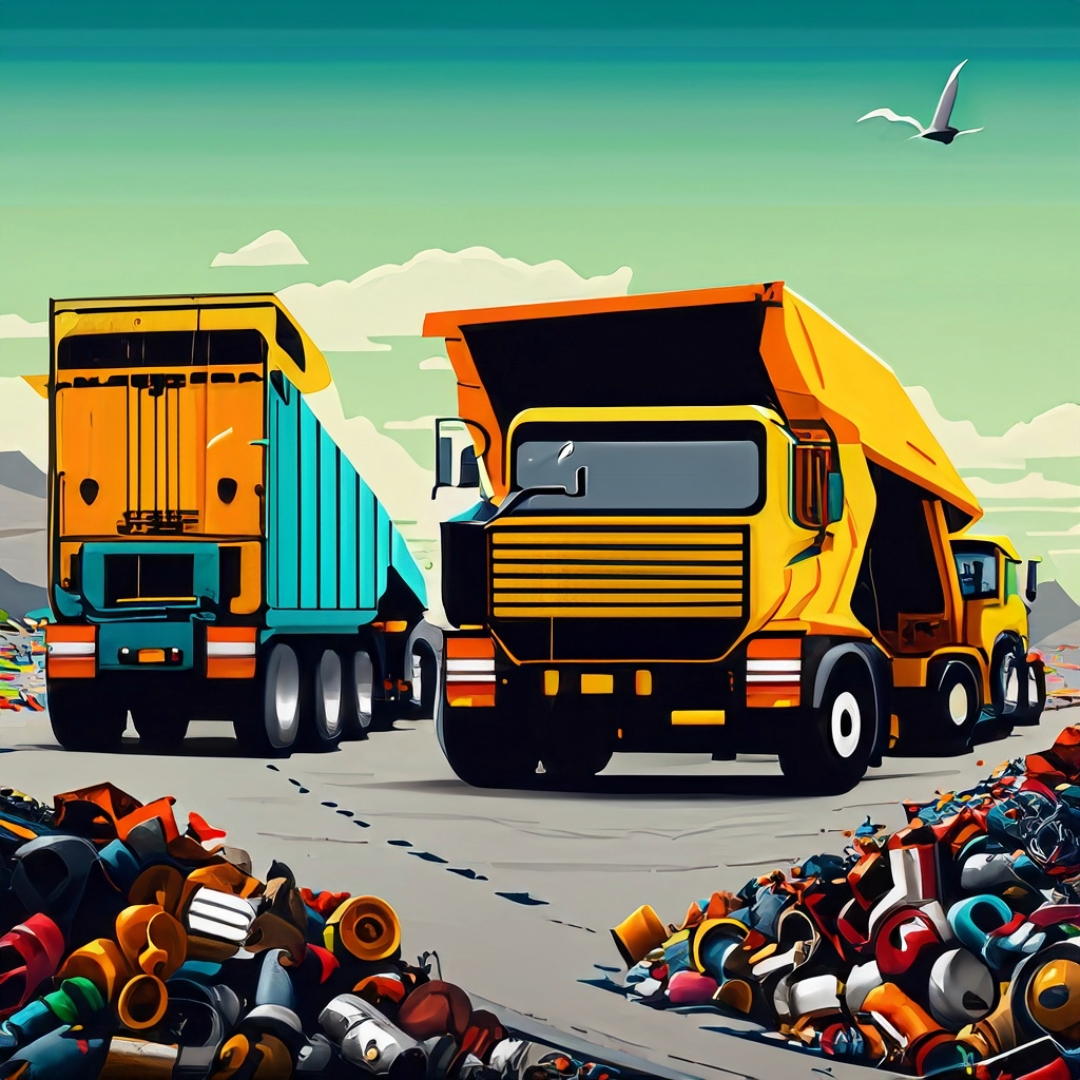
Once your dumpster is hauled away, it's easy to assume your waste simply disappears. In reality, that's only the beginning of its journey. Every load of debris goes through a carefully managed process designed to maximize recycling, recover valuable materials, and dispose of waste responsibly. Whether you're cleaning out a garage, remodeling your kitchen, or managing a construction project, understanding what happens after pickup can help you appreciate the importance of proper waste disposal. Let's take a behind-the-scenes look at where your waste goes after your dumpster leaves your property. The process begins when a roll-off truck arrives to collect your filled dumpster. Professional drivers secure the container before transporting it to a local transfer station, recycling center, or landfill. Throughout the trip, the waste remains safely contained to help prevent debris from escaping onto roadways. Additionally, experienced drivers follow transportation regulations that help protect both the public and the environment. Once the waste reaches a processing facility, workers and specialized equipment begin sorting the materials. This step is one of the most important parts of the waste management process because it helps recover recyclable items before they reach the landfill. Depending on the facility, sorting systems may separate: Modern facilities often use magnets, conveyor belts, optical scanners, and air separation systems to improve efficiency. Meanwhile, trained employees inspect materials that automated equipment cannot easily identify. The more recyclable material recovered during this stage, the less waste ultimately ends up in a landfill. After sorting, recyclable materials travel to specialized recycling facilities. There, manufacturers clean, process, and transform these materials into raw products that manufacturers use to create new items. For example: Because recycling reduces the need for raw materials, it helps conserve natural resources while lowering energy consumption. Although recycling diverts a significant amount of waste, some materials cannot be recycled economically or safely. Those materials move to engineered landfills designed to minimize environmental impact. Modern landfills include multiple environmental protection systems, such as: These safeguards make today's landfills far more environmentally responsible than those of previous decades. Some communities also use waste-to-energy facilities to reduce landfill use. Instead of burying certain non-recyclable materials, these facilities generate electricity or heat through carefully controlled combustion processes. As a result, communities reduce landfill volume while recovering usable energy from materials that would otherwise become waste. Although waste-to-energy isn't appropriate for every type of debris, it provides another valuable option for responsible waste management. Every item you throw away affects the environment in some way. When waste management companies recover recyclable materials, they reduce landfill use, conserve natural resources, and lower greenhouse gas emissions associated with manufacturing new products. Likewise, responsible disposal protects local communities by reducing illegal dumping and preventing hazardous materials from entering the environment. Small choices—such as recycling properly or renting the right dumpster—can have a meaningful impact over time. You don't have to work at a recycling facility to make a difference. Before loading your dumpster, consider these simple tips: These small steps help increase recycling rates while making waste processing more efficient. No. Most loads contain recyclable materials that facilities separate before disposing of the remaining waste. The exact recycling rate depends on the type of debris and the capabilities of the local processing facility. Yes. Many construction materials, including concrete, asphalt, metal, wood, and cardboard, can often be recycled or repurposed instead of being sent directly to a landfill. Some materials become contaminated, while others lack practical recycling markets or require specialized disposal methods. Consequently, certain items must still go to engineered landfills. Recycling, donating usable items, composting organic materials, and separating recyclable debris before disposal all help reduce the amount of waste sent to landfills. The journey of your waste doesn't end when your dumpster leaves your driveway. Instead, it continues through a carefully managed system that prioritizes recycling, resource recovery, and environmentally responsible disposal whenever possible. When you choose Affordable Dumpster Rental, you're partnering with a company that values responsible waste management and dependable customer service. Whether you're cleaning out your home, completing a renovation, or managing a construction project, our team can help you dispose of debris efficiently while supporting environmentally conscious waste practices.What Happens to Your Waste After Dumpster Pickup?
Ever Wonder Where Your Dumpster Debris Goes?
Step 1: Safe Transportation to a Waste Facility
Step 2: Sorting Recyclable Materials
Step 3: Recycling Valuable Resources
Step 4: Responsible Landfill Disposal
Step 5: Converting Waste into Energy
Why Responsible Waste Disposal Matters
How You Can Help Improve Recycling
Frequently Asked Questions
Does everything in my dumpster go to a landfill?
Can construction debris be recycled?
Why can't all waste be recycled?
What can I do to reduce landfill waste?
Every Dumpster Plays a Role in Responsible Waste Management

"*" indicates required fields
Recent Posts
"*" indicates required fields