

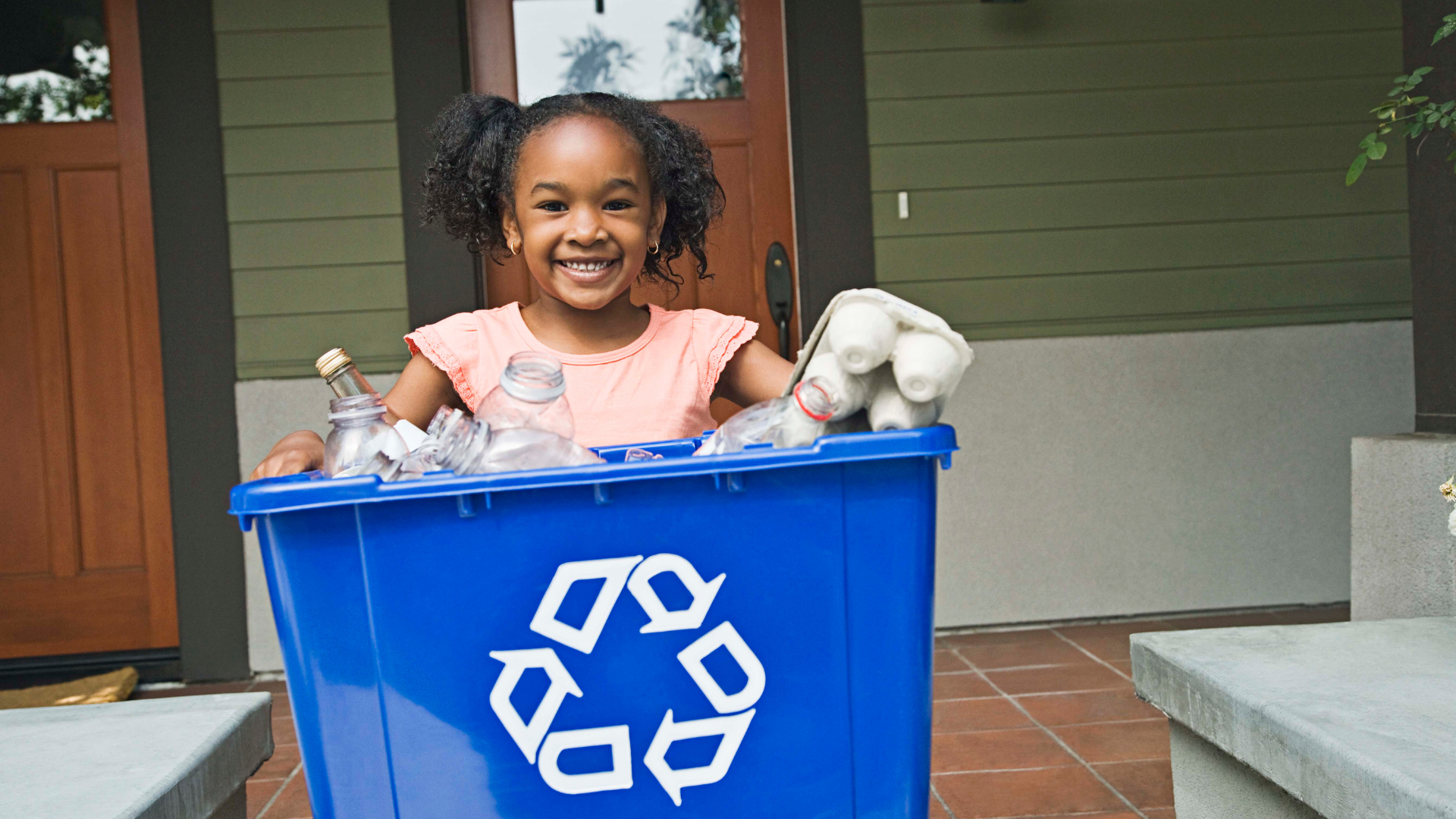
Recycling can feel confusing—different rules for plastics, paper, and electronics often leave people asking, “Am I doing this right?” But recycling is one of the simplest ways we can all make a positive impact on the environment while reducing landfill waste. This Recycling 101 guide covers the basics, explains what can and can’t be recycled, and shows how dumpster rentals fit into the process when you’re tackling big cleanouts. Recycling does more than just save space in landfills. It: Some items may look recyclable but actually cause issues at recycling facilities: 💡 Pro Tip: Always rinse containers before recycling to prevent contamination. When you’re tackling a big project—like an attic cleanout, a remodel, or a yard cleanup—a roll-off dumpster is the easiest way to manage the waste. But what about recycling? At Affordable Dumpster Rental, we encourage responsible disposal by: This way, you can clear out your clutter and reduce your environmental impact. Not in your curbside bin. Take electronics to special e-waste recycling facilities or collection events. If it’s in good shape, consider donating. If not, use a dumpster rental for disposal—some materials may be recycled by local processing facilities. Yes! Many cities compost yard debris. We also offer yard waste dumpsters for branches, leaves, and grass clippings. Recycling doesn’t have to be complicated. By learning the basics and making it part of your routine, you’ll reduce waste, protect the environment, and even save money on disposal. And when you’re taking on a big cleanout, Affordable Dumpster Rental makes it simple to handle waste responsibly—whether it’s trash, recyclables, or yard debris. 👉 Call us today or request a free quote online to schedule your dumpster rental and make your next cleanup project easier—and greener.
Why Recycling Matters
What Can Be Recycled?
Paper & Cardboard
Plastics
Metals
Glass
What Can’t Be Recycled in Curbside Bins?
The Role of Dumpster Rentals in Recycling
How to Recycle Smarter
Recycling FAQs
Can I recycle electronics?
What do I do with old furniture?
Can yard waste be recycled?
Final Thoughts
Dumpster Delivery on YOUR schedule


"*" indicates required fields
Recent Posts
"*" indicates required fields