
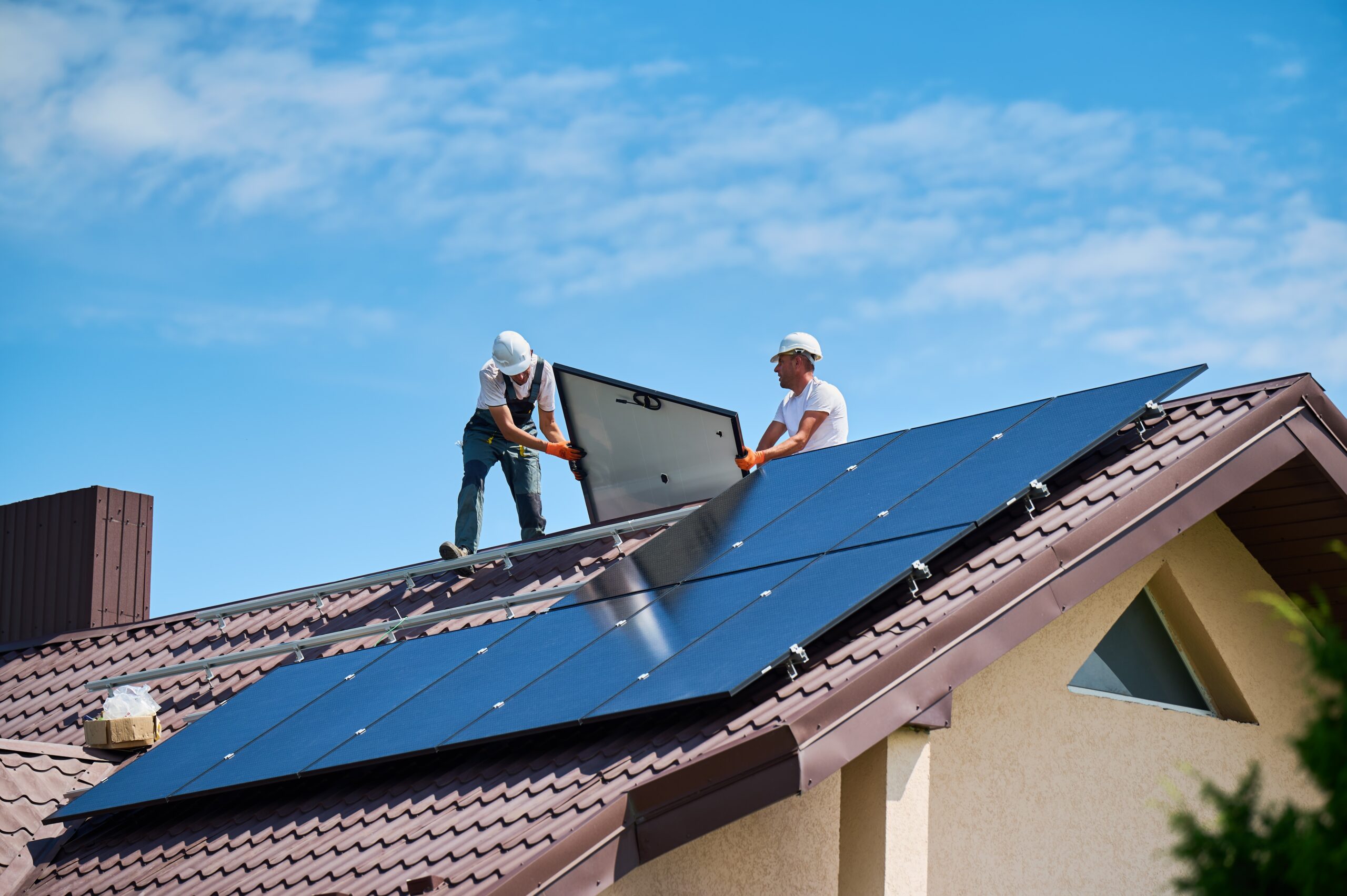
Replacing your roof is already a major project. When solar panels are part of the picture, there is another question to answer before the work begins: where will everything go? Your old shingles and the solar equipment above them need separate planning. Some panels may be removed temporarily and reinstalled. Others may need repair, recycling, or another approved destination. Before scheduling the tear-off, have two conversations: one with your solar provider about the equipment, and another with your roofer and dumpster rental company about the roofing debris. Here is how to prepare for both. Start with the installer, system owner, or qualified solar service provider. Ask whether the existing panels can be removed and reinstalled after the roof is replaced. A roof replacement does not automatically mean the solar panels have reached the end of their useful life. For example, Tesla’s removal and reinstallation guidance describes removing some or all of a system for reroofing and reinstalling it afterward. Arrangements for your system depend on its condition, design, contract, and provider. Ask the solar provider to clarify: If you lease the system or have a power purchase agreement, contact the system owner before authorizing removal or disposal. Leave electrical disconnection and solar equipment handling to qualified professionals. Coordinate the storage location with the roofer so it does not block roof access or dumpster service. Ask who will arrange their collection and where they will be taken. Get that responsibility and its cost included in the written scope. The EPA recommends that homeowners contact their installer or state and local environmental agencies for solar-panel disposal and recycling information. Before committing to a recycler or collection service, confirm: Ask whether the destination actually accepts complete solar panels. Do not assume a general recycling center takes them simply because panels contain glass and metal. Solar-panel waste does not have one universal classification. EPA explains that some discarded panels can qualify as hazardous waste because of their metal content, while others do not. State requirements and the source of the waste can also affect how it must be managed. Household and commercial projects can follow different requirements. A homeowner should not assume that instructions for a business apply unchanged to a residential system, or that a household collection program accepts contractor-delivered loads. Use the EPA’s solar-panel management guidance and your state environmental agency to identify the appropriate next step. Do not place solar panels in a general roofing dumpster without explicit approval for that material and the receiving disposal facility. The safest planning choice is to identify their destination before removal begins. Once the solar equipment plan is clear, talk with your roofer and dumpster rental provider about the material coming off the roof. Give them a specific description. Depending on the work, the debris might include asphalt shingles, underlayment, flashing, damaged wood decking, or another roofing material. Confirm which materials are accepted in the quoted rental. Keep solar panels, inverters, wiring, mounting components, and any batteries out of the assumed roofing-debris allowance until their handling has been reviewed. A roofing dumpster needs enough capacity for the approved materials and an appropriate weight allowance. Container volume and included disposal weight are separate details. Share: Ask your roofer for the debris estimate and share it with the rental provider. These details give the provider a better basis for recommending a container than a guess based only on the size of the house. Before booking, confirm the included weight, overage rate, loading limits, rental period, and cost of any additional haul. Review ADR’s dumpster rental FAQs. Put the solar work, roofing work, and debris removal on one shared schedule. Confirm the sequence with both contractors rather than booking each service independently. A planning sequence to discuss is: Keep the driveway or access route available for delivery and pickup. Discuss where roofing materials, vehicles, and stored panels will go so they do not compete for the same space. Before work starts, use this checklist to confirm who is handling each part of the job: Separate responsibilities do not necessarily mean you must hire every service yourself. A contractor may coordinate several parts of the project. The important step is confirming exactly what their agreement covers. Do not assume they are accepted. Arrange their destination with your solar provider and confirm any proposed dumpster disposal with the rental company before loading. Requirements vary by panel, project, and location. Not automatically. Ask a qualified solar provider whether the existing system can be removed and reinstalled. Condition, compatibility, and project requirements will affect the recommendation. Ask before signing. Panel handling may be included, subcontracted, or excluded. Request written confirmation of who collects retired equipment and where it goes. Yes, recycling options exist. EPA explains that panel materials such as glass, aluminum, and copper can be recovered, but services and processes vary. Confirm that the recycler accepts your complete panels and their condition. Learn about solar-panel recycling from EPA. The recommendation depends on the roofing material, amount being removed, weight, and loading requirements. Give your provider the roofer’s debris estimate and disclose any planned decking replacement. Affordable Dumpster Rental helps homeowners and contractors nationwide arrange dumpster rentals for roofing and other cleanup projects. Tell our team where the project is, what roofing materials you expect to remove, and when work is scheduled. Mention the solar equipment so we can clarify the scope of the dumpster rental while your solar provider coordinates its handling.Conversation 1: What happens to the solar panels?
If the panels will be reinstalled
If panels will not be reused
Why solar panels need a separate disposal plan
Conversation 2: What roofing debris will the dumpster handle?
Compare weight as well as container size
Coordinate the schedule before either crew arrives
Put both disposal plans in writing
Project item What to confirm Panels returning to the roof Removal, storage, protection, and reinstallation Panels being retired Accepted destination, collection, cost, and documentation Inverters, mounting equipment, and batteries Reuse or separate handling arrangements for each component Roofing debris Accepted materials, estimated volume and weight, and rental terms Delivery and pickup Dates, access, placement, and who requests removal Unexpected damage or extra debris Who authorizes changes and how additional costs are approved Frequently asked questions
Can I put old solar panels in a roofing dumpster?
Do solar panels have to be replaced when the roof is replaced?
Does my roofer handle solar-panel recycling?
Can solar panels be recycled?
What size dumpster do I need for roof replacement?
Plan your roofing dumpster rental with ADR

"*" indicates required fields
Recent Posts
"*" indicates required fields